
UMÓW SIĘ NA KONSULTACJĘ JUŻ DZIŚ!



Koncepcja
Filozofia ekonomiczna i stylu życia stojąca za wyborem wybrzeża Kenii
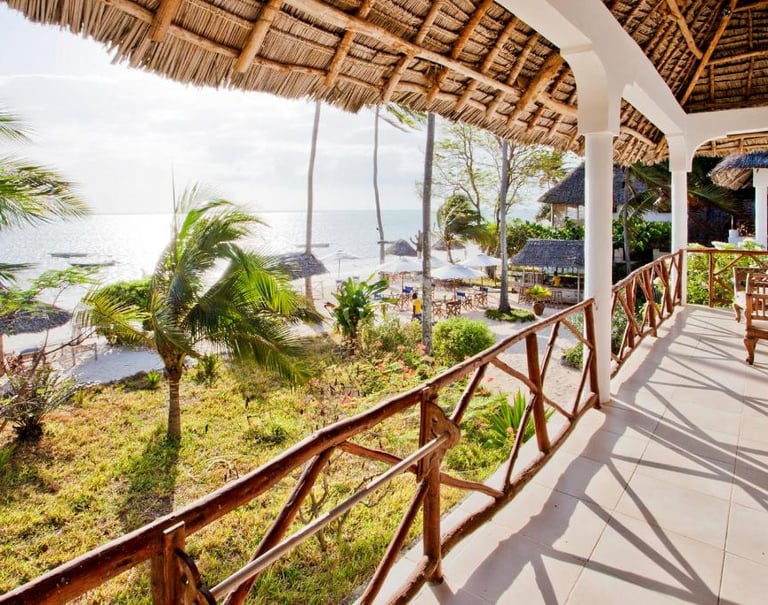
Naprawdę czułem się tu jak w domu.
L. WÓJCIK
"
Warsaw, Poland
Twoja strategiczna ucieczka od presji finansowej Zachodu
Nie zaszedłeś juz tak daleko, żeby się tu zatrzymać.

Problem
Jakie problemy rozwiązujemy?
Świat staje się coraz droższym miejscem, w którym jakość życia klasy średniej systematycznie spada. Jedną z największych barier dla luksusowego stylu życia są niedostępne ceny atrakcyjnych nieruchomości.
Przystępność cenowa
Globalny koszt życia stale rośnie, a nieruchomości stanowią największą barierę w osiągnięciu wysokiej jakości życia. W szczególności luksusowe nieruchomości nadmorskie – od dawna kojarzone z wypoczynkiem, emeryturą i spełnieniem osobistym – stały się w dużej mierze niedostępne dla klasy średniej w Europie i Stanach Zjednoczonych.
Dla przeciętnego profesjonalisty nabycie wygodnej rezydencji nad morzem na rynkach krajowych staje się coraz bardziej nieosiągalne. Akumulacja majątku wystarczającego do pokonania tej bariery pozostaje niepewna i czasochłonna. Nieruchomości na rynkach krajowych osiągnęły szczyt popularności i ani nie oferują atrakcyjnych stóp zwrotu z inwestycji, ani w przypadku Polski/Europy Północnej nie oferują pożądanego ciepła morza, słońca i zieleni poza krótkim sezonem letnim.
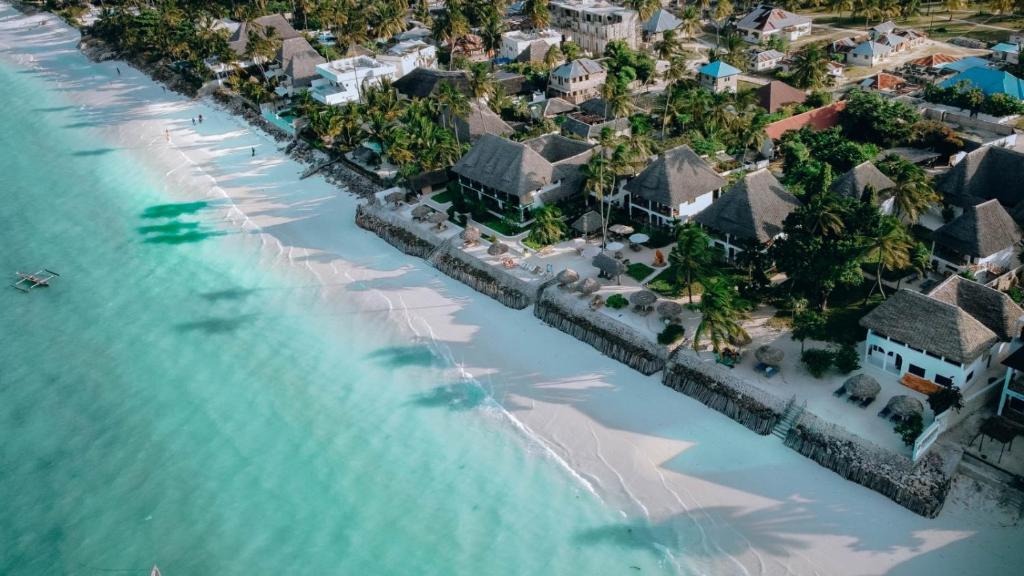
Rozwiązanie:
Strategiczna przewaga ekonomiczna
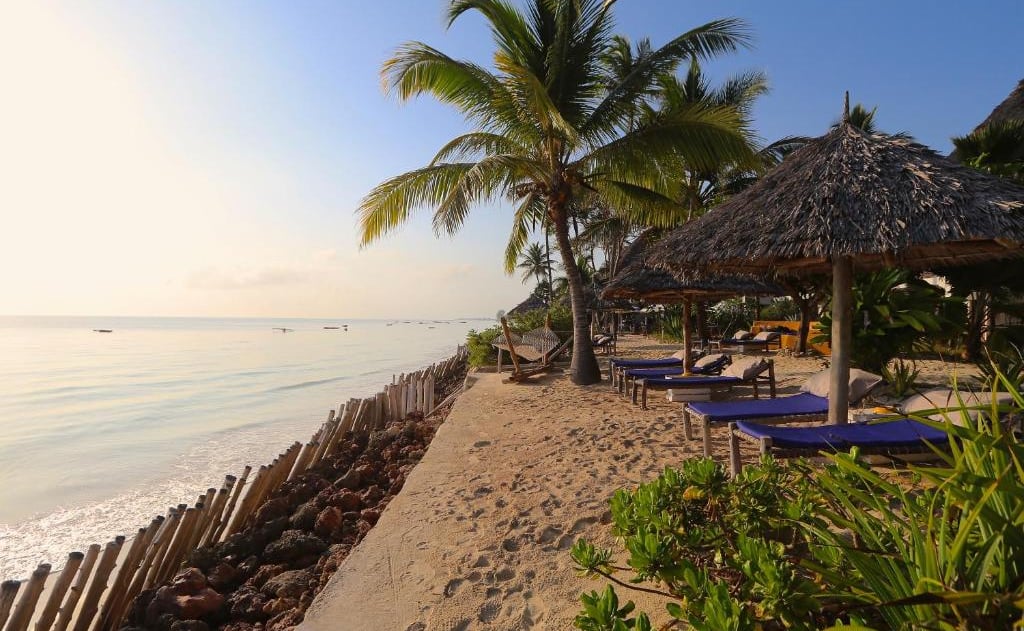
Odpowiedź leży w spojrzeniu poza granice twojego kraju, w miejscu, gdzie natura stworzyła raj i gdzie możesz lewarować swoją kondycję finansową.
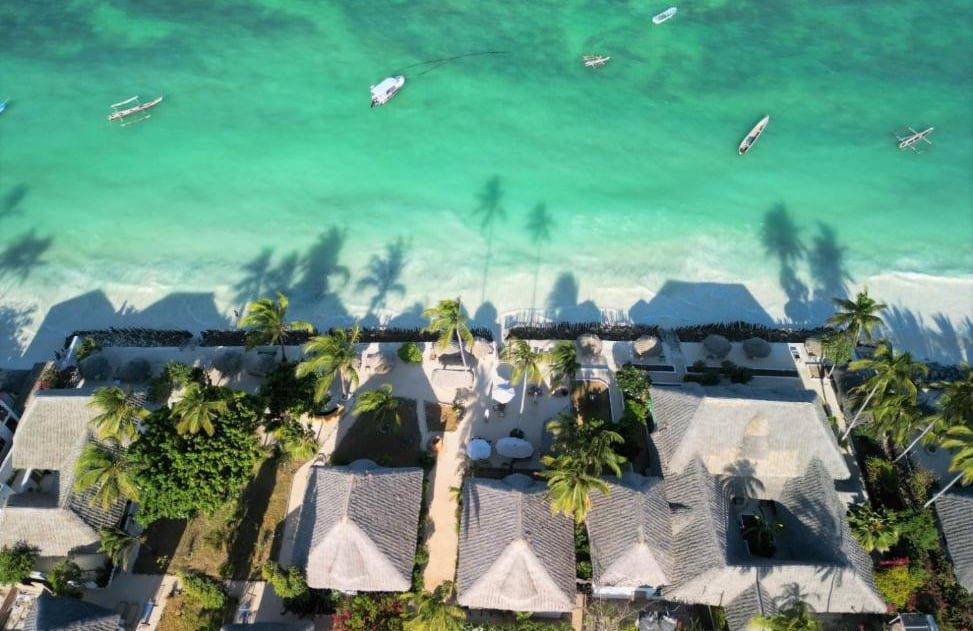
Przewaga „strategiczna”:
Nie konkurujesz o aktywa w obrębie swojej bezpośredniej grupy konkurencyjnej, lecz wykorzystujesz siłę swojej gospodarki narodowej i waluty, aby nabyć aktywa na rynkach mniej rozwiniętych.
Alternatywny arbitraż geograficzny
Racjonalną alternatywą jest arbitraż geograficzny: nabywanie nieruchomości na rynkach międzynarodowych, gdzie istnieją naturalne przewagi i gdzie zagraniczni nabywcy korzystają z korzystnych różnic ekonomicznych. Wykorzystując siłę rozwiniętej gospodarki rynkowej, inwestorzy mogą osiągnąć wyższy standard życia za ułamek kosztów istniejących w ich krajach ojczystych – w efekcie korzystając z „niesprawiedliwej” przewagi ekonomicznej w gospodarkach rozwijających się.
Życie bez kredytu hipotecznego
Łamanie ograniczeń kredytu hipotecznego
Tradycyjna droga do posiadania własnego domu na Zachodzie często staje się pułapką finansową.
W gospodarkach rozwiniętych własność nieruchomości jest zazwyczaj nabywana poprzez długoterminowe finansowanie hipoteczne. Chociaż umożliwia to dostęp do nieruchomości, jednocześnie stwarza długotrwałe obciążenie finansowe.
Standardowy kredyt hipoteczny – często rozłożony na 20–30 lat – może pochłonąć znaczną część dochodów. Ogranicza to elastyczność finansową, ogranicza mobilność zawodową i opóźnia osiągnięcie prawdziwej niezależności ekonomicznej. W efekcie osoby fizyczne stają się finansowo uzależnione zarówno od kredytodawców, jak i pracodawców na dłuższy czas, co prowadzi do rezygnacji ze stylu życia.
Z kolei rynki nieruchomości bez rynku kredytów hipotecznych dla osób fizycznych – takie jak Kenia – funkcjonują w oparciu o zakup gotówkowy. To fundamentalnie zmienia dynamikę rynku:
Ograniczenia nabywców, przez brak dostępu do kredytu, przekłada się na atrakcyjność cen nieruchomości.
Brak rat kredytu daje natychmiastowy dochód z wynajmu Tobie, a nie bankowi.
Ceny wejścia pozostają łatwo dostępne dla kupujących gotówką.
Nieruchomość sfinansowana 25-letnim kredytem hipotecznym może ostatecznie kosztować nawet trzy razy więcej niż pierwotna cena zakupu, po uwzględnieniu odsetek.
Na rynku kredytów hipotecznych większość osób ma możliwość zakupu nieruchomości, co winduje jej ceny do nieuzasadnionych poziomów, często z ujemnym dochodem (ujemne dźwignia finansowa).
W środowisku bez kredytów hipotecznych większość pieniędzy z transakcji NIE pozostaje w rękach banków, deweloperów i pierwotnych właścicieli gruntów, ale właścicieli nieruchomości.


Wraz ze wzrostem dostępności kredytów hipotecznych na tych rynkach, popyt – a w konsekwencji ceny nieruchomości – prawdopodobnie znacząco wzrosną. Wczesne wejście na rynek daje zatem strategiczną przewagę.
Życie bez długów dzisiaj, a nie za 25 lat
Posiadanie nieruchomości na własność eliminuje powtarzające się zobowiązania związane z zadłużeniem i znacząco zwiększa odporność finansową.
Korzyści są zarówno ekonomiczne, jak i psychologiczne:
Zwiększony przepływ środków pieniężnych: Kapitał, który w innym przypadku byłby przeznaczony na obsługę zadłużenia, można przekierować na inwestycje, oszczędności lub poprawę stylu życia

Zmniejszone ryzyko finansowe: Brak obowiązkowych opłat mieszkaniowych zabezpiecza przed ryzykiem zmienności dochodów
Dobre samopoczucie psychiczne: Eliminacja długoterminowego zadłużenia zmniejsza stres i poprawia ogólną jakość życia

Bezpieczeństwo emerytalne: Przejście na emeryturę bez długów znacznie obniża wymagane koszty utrzymania

Ponadto posiadanie dodatkowych nieruchomości generujących dochód umożliwia przejście od uzależnienia od dochodu do przepływu środków pieniężnych opartego na aktywach, w którym dochód z wynajmu przyczynia się bezpośrednio do gromadzenia majątku osobistego.
Prawdziwy koszt długu
Podkreśla to istotną zasadę: finansowanie własności długiem znacząco zwiększa rzeczywisty koszt nieruchomości, często obniżając długoterminową efektywność finansową.
W okresie obowiązywania konwencjonalnego kredytu hipotecznego, suma obowiązujących rat kredytowych często wynosi od dwóch do trzech razy więcej niż pierwotna cena zakupu, w zależności od stóp procentowych i struktury kredytu. Nieruchomość nabyta za 1 milion dolarów może ostatecznie kosztować 2–3 miliony dolarów, wliczając koszty finansowania.
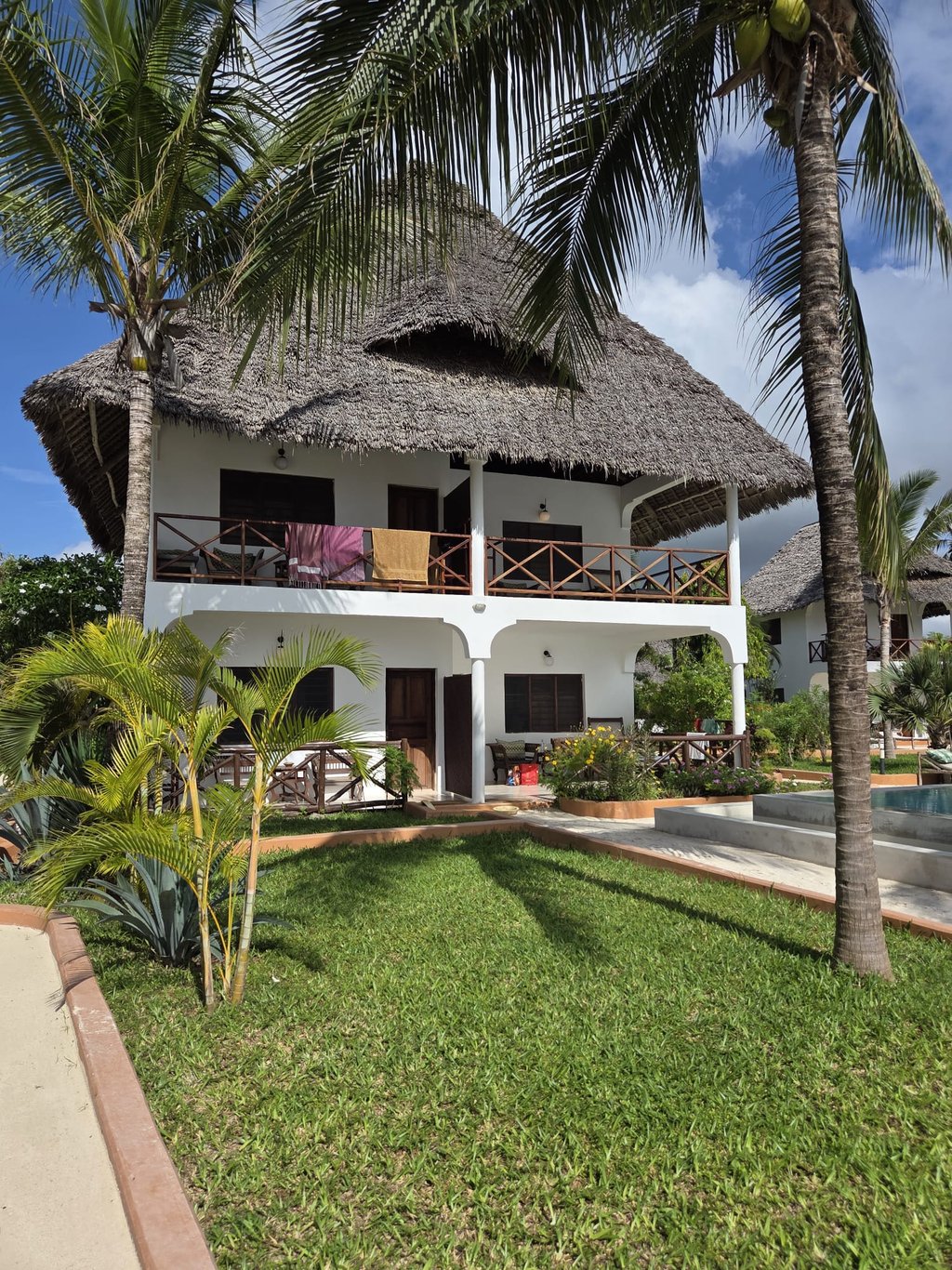
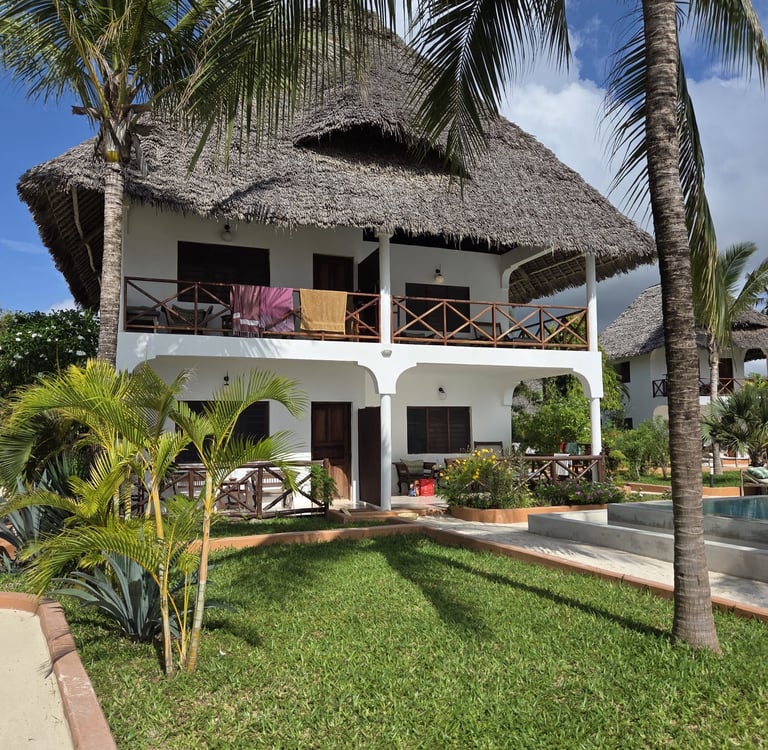
Przenosząc swoją inwestycję na wybrzeże Kenii, nie kupujesz po prostu domu; wychodzisz z niewydolnego systemu finansowego i zaczynasz cieszyć się życiem o naturalnej jakości i prawdziwym poczuciu własności.